
Compassionate Guidance
Custom Homes Built for You
Clear Communication Every Step
30+ Years of Trusted Experience

Take Care of Your Family First
If your home was destroyed, rebuilding may feel like the most urgent task.
It usually isn't.
Before thinking about floor plans or construction schedules, focus on the people around you. Make sure your family has a safe place to stay. Take time to work with your insurance company. Replace important documents. Lean on friends, neighbors, and your community.
There will be plenty of time to rebuild your home.
Whenever you're ready, we'll be here to answer your questions without pressure and help you understand what comes next.
Understanding the Rebuilding Process
While every situation is different, most rebuilding projects follow a similar path.
1
Contact Your Insurance Company
2
Site Assessment & Cleanup
3
Evaluate Your Options
4
Design & Planning
5
Permits & Engineering
6
Construction
7
Final Walkthrough
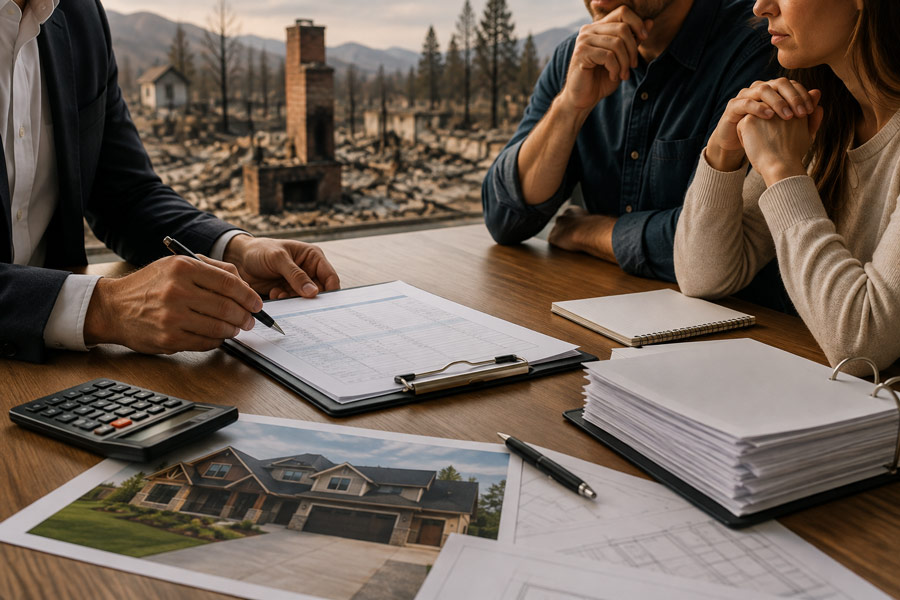
Working With Your Insurance Company
Every insurance policy is different, and we encourage homeowners to work closely with their insurance adjuster to understand exactly what their policy covers.
While we don't interpret insurance policies, we regularly provide the information homeowners and adjusters need during the rebuilding process.
That may include:
- Detailed construction estimates
- Current material pricing
- Upgrade pricing
- Engineering coordination
- Project scheduling
- Scope of work documentation
Our role is to help you understand the construction process so you can make informed decisions throughout your claim.
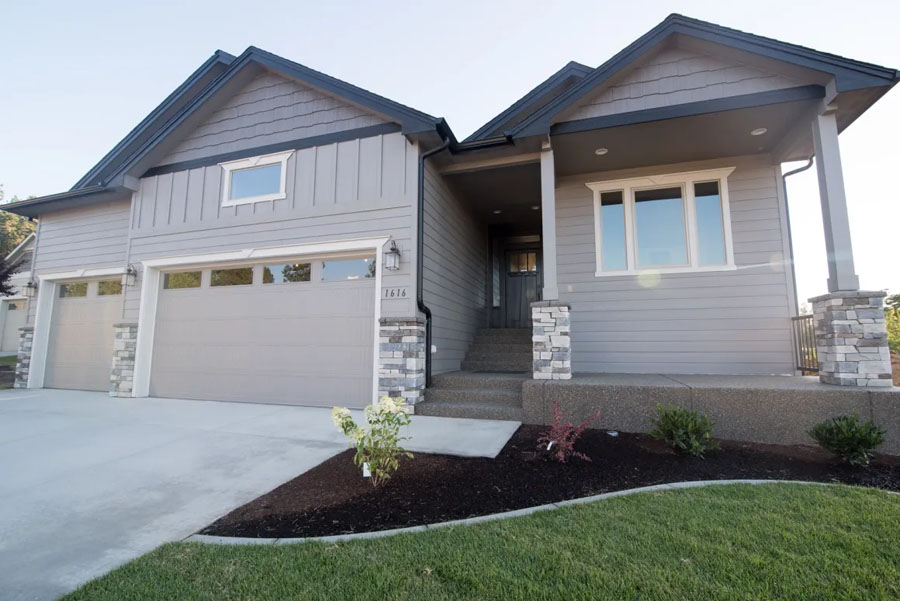
Can You Rebuild on the Same Lot?
In many cases, yes.
However, today's building codes are often different than when your original home was constructed.
That means your new home may include updated structural requirements, improved energy efficiency, modern electrical systems, and current fire safety standards.
While these changes can seem overwhelming, they often result in a safer, stronger, and more efficient home for your family.

Should You Build the Same Home Again?
There isn't a right or wrong answer.
Some families want every room to look exactly as it did before.
Others decide this is an opportunity to build the home they've always imagined.
You may decide to:
- Create an open-concept living space.
- Add a dedicated home office.
- Build a larger primary suite.
- Improve accessibility for retirement.
- Increase storage.
- Expand outdoor entertaining areas.
- Improve energy efficiency.
- Upgrade finishes and materials.
A tragedy can never be replaced.
But your new home can be designed to support the life you're living today—and the one you hope to enjoy for years to come.
Frequently Asked Questions
You can reach out at any point. Some homeowners call within days of the fire, while others wait until insurance decisions have been made. We're happy to answer questions whenever you're ready.
Choosing the Right Builder
Selecting the right contractor is one of the most important decisions you'll make during the rebuilding process.
Don't be afraid to ask questions.
A qualified builder should welcome them.
Here are a few questions every homeowner should ask before hiring a contractor:
- Are you licensed and insured?
- How long have you been building custom homes?
- Who will supervise my project?
- How will you communicate during construction?
- Can I speak with previous clients?
- What happens if unexpected issues arise?
- Will I work directly with the owner?
- How do you keep projects organized?
The answers to these questions will tell you far more than a sales brochure ever could.