
Whole Home Remodeling
Love Where You Live. Make Your Home Fit the Life You Live Today.
You may already have the neighborhood, property, views, and location you want. The problem is that the home itself no longer works the way it should.
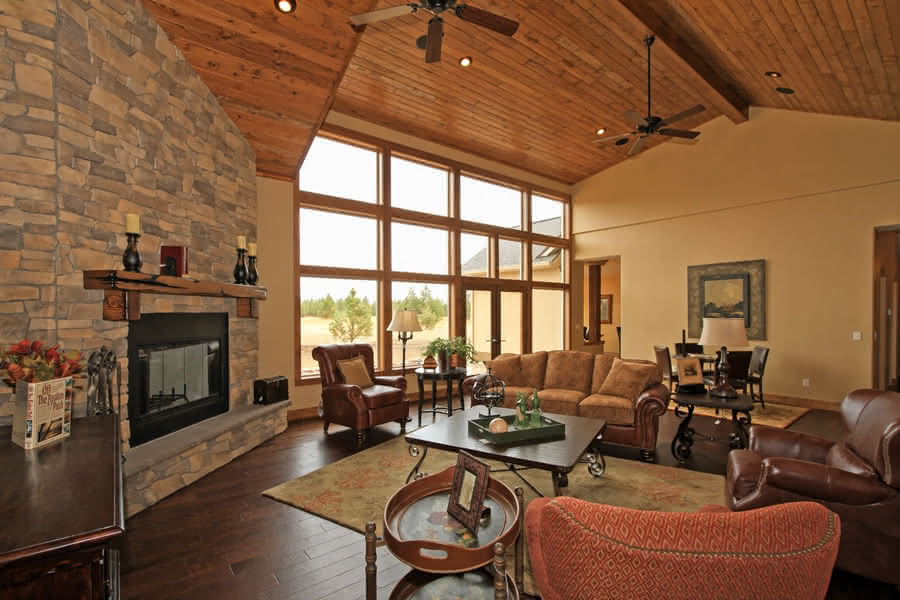
Equity Construction Northwest helps homeowners transform existing houses into homes designed around how they live today—and how they expect to live for years to come. From reworking floor plans and modernizing outdated spaces to improving comfort, functionality, and efficiency, a whole home remodel gives you the opportunity to create the home you want without leaving the place you already love.

Our Approach
Sometimes the Right Home Is the One You Already Own
There are plenty of reasons to move. There are also plenty of reasons not to.

Maybe you love your property. You know your neighbors. The trees have finally grown in. Your shop is exactly where you want it. You have a view that would be difficult to replace, or you simply cannot imagine finding another property that feels as much like home as this one does.
But houses don't always keep up with the people living in them.
A floor plan designed twenty or thirty years ago may feel closed off today. The kitchen may be separated from the spaces where everyone gathers. Bathrooms may be dated. Storage is never where you need it. Rooms that once served an important purpose may now sit mostly unused while other parts of the house feel crowded.
A whole home remodel allows you to rethink those compromises.
Instead of asking, "Where should we move?" you can begin asking a much more interesting question:
What could this home become?
Why Build With Us
Remodeling Requires More Than Construction Experience
Building something new is one challenge. Transforming an existing home is another.
Whole home remodeling requires a contractor who can understand what is already there, determine what should remain, identify what needs to change, and bring all of those pieces together into a finished home that feels intentional rather than patched together.
Equity Construction Northwest brings decades of residential construction experience to that process. We look beyond individual rooms and consider how changes affect the entire home—from structure and mechanical systems to traffic flow, finishes, lighting, storage, and the way one space connects to another.
Just as important, we understand that we are working on your home, not simply another construction project.
That means having honest conversations about priorities, budget, possibilities, limitations, and the inevitable discoveries that can come with remodeling an existing structure. Our goal is to help you make informed decisions before and during construction so the finished home reflects why you decided to remodel in the first place.
Our Process
Start With How You Want to Live
A successful whole home remodel shouldn't begin with choosing cabinets or flooring. It should begin with understanding what isn't working and what you want your home to do differently.
For some homeowners, that means opening the kitchen to the living area and creating a better place for family and friends to gather. For others, it means creating a main-floor primary suite, adding storage, improving accessibility, updating bathrooms, creating a home office, or finding better uses for rooms that no longer fit their lifestyle.
Looking at the entire home gives us an opportunity to solve those problems together rather than one room at a time.
Understand the Home You Have
We start by evaluating the existing structure—load-bearing walls, mechanical systems, and hidden conditions—so every proposed change is based on reality, not assumptions. This foundation lets us anticipate challenges, set clear priorities, and build a realistic budget before construction begins.
Before making major changes, we need to understand the existing structure.
Which walls are load-bearing? Where are plumbing, electrical, heating, and cooling systems located? Are there structural concerns that need to be addressed? Will proposed changes require upgrades elsewhere in the home?
These aren't always the exciting parts of remodeling, but they are an important part of creating a realistic plan.
The more we understand before construction begins, the better we can anticipate challenges, establish priorities, and build a budget around the actual project rather than assumptions.
Develop a Plan for the Entire House
We look at your home as a whole so changes in one room improve the spaces around it. Moving a wall, relocating a doorway, or repurposing a bedroom can create better flow, storage, and livability throughout the house—so everything works together instead of just looking new.
One of the advantages of whole home remodeling is the ability to think beyond individual rooms.
Moving a wall in the kitchen might improve the dining room. Relocating a doorway might create better furniture placement in the living room. Changing the location of a bathroom could make room for a larger primary suite. Reworking an underused bedroom might solve a storage problem somewhere else.
The goal isn't simply to make everything new.
The goal is to make everything work together.
Establish a Realistic Budget
We talk about budget early so your priorities guide every decision. This helps focus investment where it matters most, identify smart alternatives, and separate true needs from nice-to-haves—giving the project clear boundaries and better outcomes.
Whole home remodeling involves hundreds of decisions, and those decisions can have a significant impact on the final investment.
We believe budget conversations should happen early.
Understanding your priorities allows us to identify where your investment will have the greatest impact and where alternatives may accomplish the same goal without unnecessary expense. It also helps separate the things you truly want from the things that simply sounded interesting during the planning process.
A realistic budget gives the project boundaries and helps everyone make better decisions.
Plan for Life During Construction
We map out the sequence of work before construction begins so you know which areas will be affected, when key spaces like the kitchen or bathrooms will be offline, and whether staying in the home or temporary relocation makes the most sense.
A whole home remodel can affect nearly every part of daily life.
Depending on the scope of work, you may be able to remain in your home during portions of construction, or temporarily moving out may make more sense. Kitchens and bathrooms may be unavailable for periods of time, furniture may need to be stored, and certain areas of the house may need to be isolated while work is underway.
Those realities should be discussed before construction starts.
We will help you understand the anticipated sequence of work, what areas of your home will be affected, and what you should expect as the project progresses.

Think About the Next 10, 20, or 30 Years
If you plan to stay, we design with the future in mind—wider doorways, better lighting, main-floor living, and low-maintenance materials—so your home stays comfortable and easy to live in for decades, without looking institutional.
If this is the home you plan to keep, remodeling provides an opportunity to think beyond what you need right now.
Wider doorways, fewer unnecessary steps, improved lighting, better bathroom layouts, a main-floor bedroom, easier-to-maintain materials, and thoughtful storage can make a home more comfortable today while preparing it for the future.
That doesn't mean your home has to look institutional or feel like it was designed around limitations.
Good planning can make a home easier to live in without calling attention to why.
Frequently Asked Questions

You Don't Have to Know Exactly What You Want Yet
Many homeowners know their house isn't working anymore long before they know exactly how to fix it.
That's okay.
Show us the rooms that frustrate you. Tell us how you actually use your home. Tell us what you wish were different and what you absolutely don't want to lose.
Those conversations are often where the best remodeling ideas begin.
You Shouldn't Have to Leave a Home You Love to Get the Home You Want
There is something valuable about a home that already has history.
It's where holidays happened. It's where friends gathered. It's where children or grandchildren grew up. It's the property you've improved, the neighborhood you've become part of, and the place that has gradually become yours.
A whole home remodel doesn't have to erase that history.
Done thoughtfully, it can preserve what you love while changing the things that no longer work.
The result isn't simply an updated house. It's your home—reconsidered for the years ahead.